Solution · Animated banners

Animated banner ads that land the offer in one glance

Wide web banners, search-style banners and awareness campaigns that move — composed for every slot you run, readable with the sound off, and finished on your logo and button. Below is exactly what we have shipped, at the sizes and lengths we shipped it.

Sizes shipped
1280×490 to 4502×1842
Running time
4 s loops to 38 s
Starts from
$1,500
Typical timeline
2–4 weeks per spot
Real work · from the portfolio
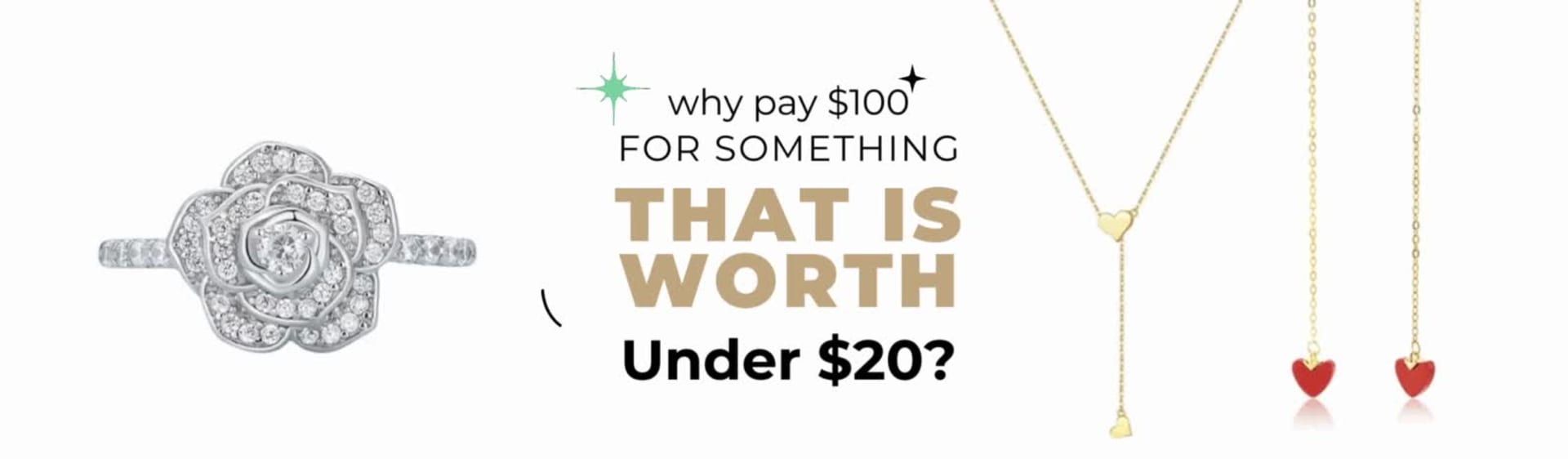
“Why pay $100 for something worth under $20?”1600×468 · 3.9 s
1280×490 · 13.2 s
2048×838 · 38.5 s

Deliverables

What a banner set includes

Every set is built around one message and then laid out, animated and checked for each placement it will run in.

  • 01

    A layout per placement

    Each size gets its own canvas. The headline, product and button move to where they read, instead of one design being cropped into every slot.

    Composed, never cropped
  • 02

    The offer in the first frame

    The line that sells is on screen from the start and stays put, so a single glance still gets it. The jewelry banner never moves its price line.

    Message before motion
  • 03

    Loop or end-card timing

    Short loops that cycle cleanly through rotating products, or longer cuts that build to the logo and a call to action for search and awareness slots.

    4 s loop · 12–38 s story
  • 04

    Motion that works muted

    Type, props and interface animation carry the message, with no dependence on audio. Every banner in our portfolio reads with the sound off.

    Sound optional
  • 05

    Masters, alternates and layers

    MP4 masters, alternate color versions and, when you need to composite, a headline layer on chroma green — as delivered for the awareness campaign.

    MP4 · alternates · chroma key
  • 06

    Still end frames on request

    For placements that refuse video, we export the finished end frame as a static banner at the same sizes, so the campaign looks the same everywhere.

    Static fallback

The work

Banner sets we have shipped

Three animated sets with three different jobs — and one static set that shows the per-size discipline every animated campaign needs.

All projects

Spec sheet

Sizes and running times, read from the files

Pulled from the delivered banners themselves, so you can compare them with the slots you need to fill.

Sizes and running times, read from the files
ProjectPiecesSizes delivered (px)Running time
Animated jewelry offer banner — worth under $20Jewelry retail11600×4683.9 s
Animated search banners for GlueguideGlueguide31280×490×312.1 s – 25.1 s
Animated banners for Spondyloarthritis and Pain Awareness MonthsHealthcare awareness82048×838×62250×920×14502×1842×15 s – 38.5 s
Brand-partner banners for BabyStore, sized for every placementBabyStore.ae183840×800×101440×240×41440×490×2600×140×2Still images

In depth

01

Where animated banners earn their place

A banner is seen out of the corner of an eye. People scroll past it on a news site, glance at it above a product grid, or catch it at the top of a search page. Movement is what pulls the eye across, but movement alone does not sell anything: if the offer is unreadable by the time someone looks, the animation only advertised that there was an ad.

So we treat a banner as three beats — a hook that is visible immediately, a proof that shows the product or the service working, and an end card with the brand and one button. The beats get shorter as the slot gets smaller. A 1600×468 hero strip can afford a product rotation; a thin mobile bar gets the offer and the button, and nothing else.

Animated banners work best when there is something to show changing: products rotating around one price, a search being typed and answered, a sequence of scenes that tells a short story. If the message is a single static fact, a well-made still often does the same job for less.

02

Three real sets, three different jobs

The jewelry banner is a price argument. “Why pay $100 for something that is worth under $20?” sits fixed in the center while bracelets, rings, necklaces and earrings change in pairs on either side. The headline never moves, so the comparison lands on the first look, and the product changes give a reason to keep watching.

The Glueguide banners sell a website whose value is its search. A search bar types a real question — “Best glue for wood?”, “waterproofing membrane” — and then collapses into the Glueguide logo, the line “Find the right glue — every time!” and an Explore Now button. The banner demonstrates the product instead of describing it.

The awareness banners for Spondyloarthritis and Pain Awareness Months tell a sequence: pharmacy, hospital arrival, reception, X-ray, consultation, rest and stretching, all in one illustrated style. The headline stays on a single line across the top, which is what keeps a 2048×838 frame readable however wide the placement stretches it.

03

Sizes, lengths and file limits to plan for

Start from where the banner will run. Ad networks publish their own size lists — common Google Display sizes include 300×250, 728×90, 300×600, 160×600 and 320×50 on mobile — while your own site, a marketplace or a partner retailer will have slots of their own, like the very wide 1280×490 and 2048×838 frames in our portfolio. A 6:1 strip and a square are two different designs, and we quote them that way.

Networks also cap weight and running time. Google Ads, for example, limits animated image ads to 150 KB and stops animation at 30 seconds, so a set destined there is timed to the strictest placement first. Specs change, so we confirm each network’s current limits in writing before animation starts — never after.

  • Send the full placement list, including the smallest mobile slot.
  • Tell us which networks the set runs on, so file limits are known up front.
  • Flag any slot with rounded corners or overlays that hide part of the frame.
04

Why most banners fail, and how we avoid it

Nearly every weak banner fails in one of a few predictable ways. Each of them is cheap to prevent at the key-frame stage and expensive to fix after a set has been animated in eight sizes.

  • The offer arrives last, after the viewer has already looked away.
  • Type is sized on a big monitor and is unreadable at the real slot size.
  • Too many products in one frame, so none of them reads.
  • A logo so small it disappears in the narrowest strips.
  • One layout stretched or cropped across every size.

Process

How a banner set is made

  1. Step 01

    Placements

    You send the sizes and networks; we confirm the file-size and length limits for each before design starts.

  2. Step 02

    Key frame

    We design the end frame first — offer, product, button and logo — at the largest and the smallest size.

  3. Step 03

    Animatic

    A rough motion pass shows the timing and the loop point. You approve it before any polish.

  4. Step 04

    Roll-out

    Each size is re-composed and animated, then checked at 100% on a real screen, not zoomed in.

  5. Step 05

    Delivery

    MP4 masters, alternates and still end frames, named by size so trafficking is simple.

How every project runs, stage by stage

Pricing

What a banner set costs

Starts at

From $1,500

Typical timeline: 2–4 weeks per spot

Animated banners are scoped as motion work. A set built around one message starts from $1,500 and usually takes 2–4 weeks per spot; the quote follows the number of sizes and how different their shapes are.

What moves the price

  • How many sizes, and how far apart their proportions are
  • How many messages or product rotations the set carries
  • Illustration or character animation inside the frame
  • Alternates, color versions or compositing layers

Package

Studio

From $6,000

Running banners alongside a new website, brand or social kit? The Studio package bundles motion with that work.

Compare all packages

FAQ

Animated banner questions, answered

What sizes should an animated banner set include?

Start from where it runs. Common Google Display sizes include 300×250, 728×90, 300×600, 160×600 and 320×50 for mobile; your own site and partner retailers will have slots of their own, like the 1280×490, 1600×468 and 2048×838 banners in our portfolio. Send the list and we compose each one separately.

How long should an animated banner be?

As short as the message allows. Our jewelry banner loops in about four seconds, the Glueguide search banners run 12, 13 and 25 seconds, and the awareness banners ran 5 to 38 seconds because they told a sequence. Ad networks set their own ceilings — Google Display stops animation at 30 seconds — so we time to the strictest placement.

Do you deliver video, GIF or HTML5 banners?

The banners in our portfolio were delivered as MP4 video, which suits websites, social placements and most platforms that accept video. If a network needs GIF or HTML5 under a file-size cap, tell us on the call and we will confirm the format and its limits before we quote.

Can you animate banners from our existing static designs?

Yes. We rebuild the artwork in layers so each element can move, keep your fonts and colors, and re-compose it for any sizes the static set did not cover.

Can the same animation run on social media?

Usually with a re-composition rather than a crop: a wide banner, a 1080×1080 post and a 9:16 story are different shapes. We reuse the artwork and the timing and lay each format out again so nothing important falls off the edge.

How much do animated banner ads cost?

Banner sets are scoped as motion work and start from $1,500. The total depends on the number of sizes, messages and any illustration, and you get a fixed quote after a free call.

Related

Keep exploring

Next step

Got a list of banner sizes to fill?

Send the placements and the offer. We will come back with a layout plan, a timeline and a fixed price for the whole set.